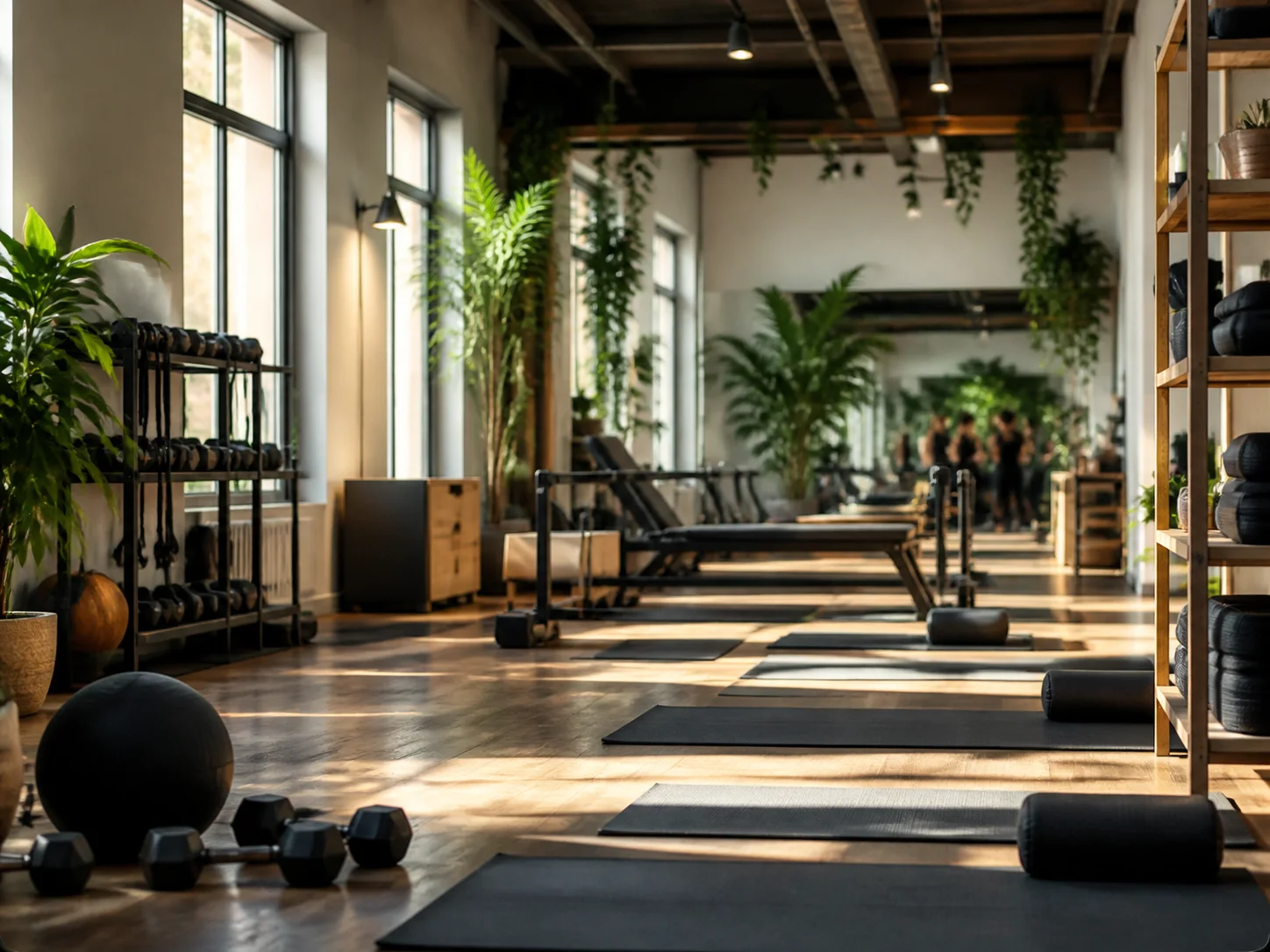
How to Staff a Fitness Studio On Demand Without Cancelling Classes
A practical system for European studios to find class cover, build a reliable instructor bench and fill Pilates, yoga and group-fitness shifts quickly.
Short answer
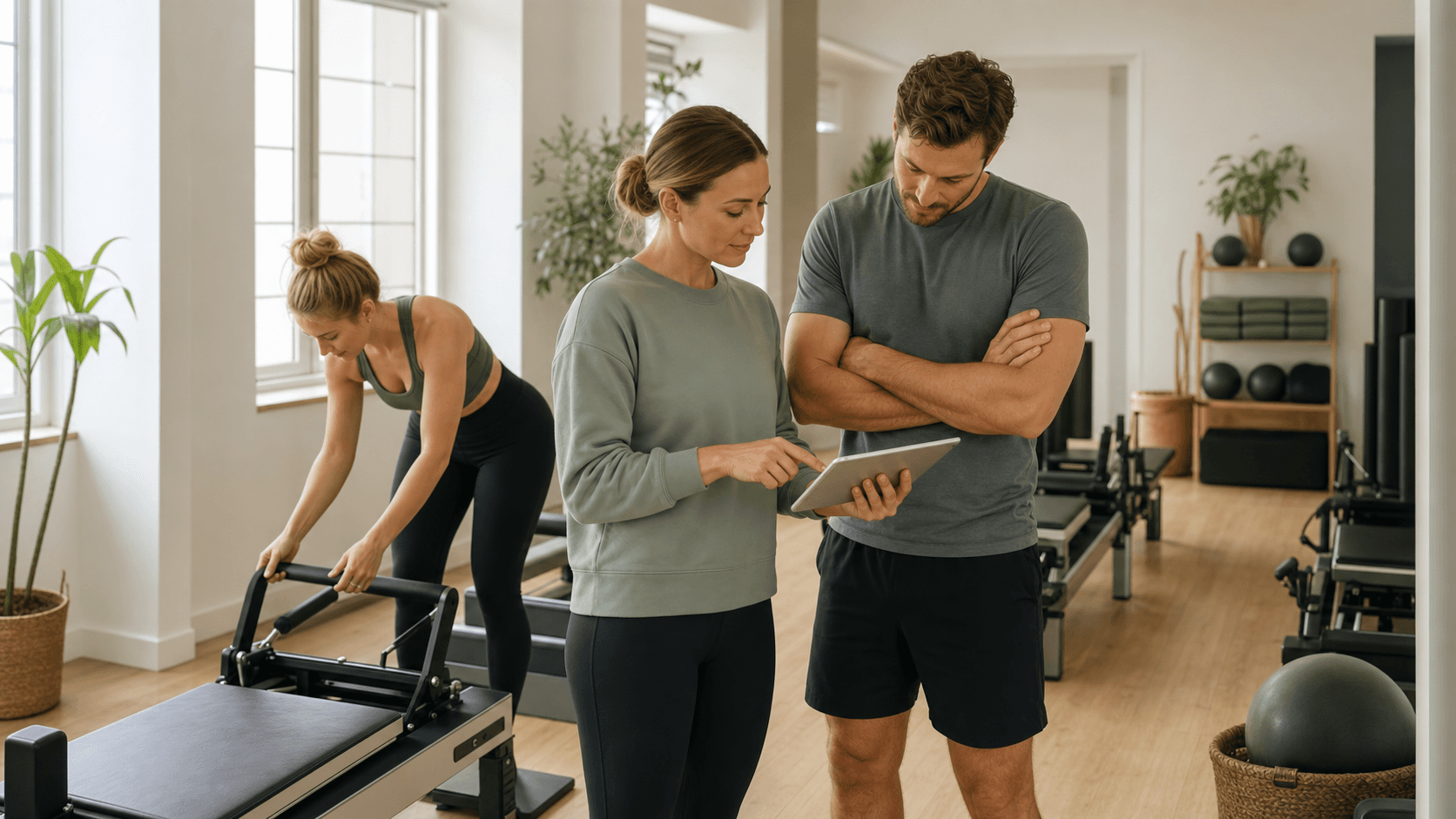
To staff a fitness studio on demand, studios need a live bench of qualified instructors, clear class briefs, fast messaging, and enough profile data to know who is suitable before the timetable is at risk. This is especially important in European boutique markets, where a single missing reformer pilates, yoga, barre, HIIT, boxing, cycling, or strength instructor can disrupt a full day of classes.
Fitgig.eu helps with the talent side of this problem: studios can post roles, browse instructors, message candidates, and build a local network instead of relying only on scattered WhatsApp groups and Instagram DMs.
Fitness studio staffing explained
Fitness studio staffing is the operational system behind the timetable. It includes core teachers, freelance cover instructors, specialist trainers, trial teachers, guest instructors, and sometimes wellness partners. The goal is not simply to fill empty slots. The goal is to protect the member experience while keeping the studio commercially steady.
In Europe, staffing models vary by country. Some studios rely heavily on freelance teachers. Others mix employed staff with contractors. VAT, invoices, insurance, holiday rules, and worker classification can differ between Denmark, Sweden, Germany, Spain, France, Ireland, the Netherlands, and the UK, so studios should keep local legal and accounting advice separate from platform workflows.
Role of fitness market trends in hiring
Hiring trends are changing because class formats are changing. Reformer pilates, strength, functional fitness, mobility, boxing, hybrid training, and recovery-led formats all require different instructor skills. A studio that only keeps a generic contact list will struggle when member demand shifts quickly.
Market-aware staffing means tracking which formats are growing locally, where instructor supply is thin, and which teachers can support new class launches. If your members are asking for more strength-pilates fusion, prenatal yoga, low-impact HIIT, or small-group personal training, your staffing bench should reflect that demand before the schedule changes.
Build the bench before you need it
The best time to find cover is before someone cancels. Studios should keep a short, organised list of instructors by discipline, location, language, certification, equipment confidence, and availability.
- Create profile-based shortlists for each core class format.
- Mark who can cover short notice and who needs more lead time.
- Track which instructors suit beginners, advanced classes, private clients, and premium studio environments.
- Use Fitgig messages and profiles to keep the hiring trail clearer than private DMs.
Role of certified fitness staff
Certified fitness staff reduce hiring risk, but certification is only one signal. Studios should also review experience, class presence, punctuality, communication, member feedback, and fit with the studio tone.
For higher-risk or equipment-based classes, such as reformer pilates, boxing, strength training, or specialist populations, certification and insurance checks become more important. Fitgig profiles can make those trust signals easier to see during the first pass.