Europe's Health-Food M&A Boom: Why Big Food Is Buying Functional Nutrition
Danone–Huel, Nestlé–yfood and Lactalis–Protein Works show why European food groups are acquiring protein, complete-nutrition, gut-health and digital-first brands.
Short answer
A new generation of food businesses has made protein, fibre, complete nutrition, hydration and gut health easier to understand—and easier to buy. Now Europe’s largest food groups are acquiring the brands that built those categories. Danone has agreed to acquire Huel, Nestlé has moved to take full ownership of yfood, and Lactalis has bought Protein Works. Katjes International has agreed to acquire Graze, while Ferrero has been building its position in better-for-you snacking through deals including FULFIL, Eat Natural and Power Crunch.
This is not indiscriminate dealmaking across the whole food market. Capital is moving selectively toward companies with credible growth, distinctive products, loyal communities and strong direct-to-consumer or omnichannel distribution. The best targets do more than place a health claim on a packet: they give established groups a faster route into the habits of younger, more health-conscious consumers.
The result is a change in what “strategic value” means in food. Manufacturing scale and supermarket distribution still matter, but so do brand trust, customer data, subscription behaviour, formulation expertise, cultural relevance and the ability to launch quickly.
The European deal map is becoming hard to ignore
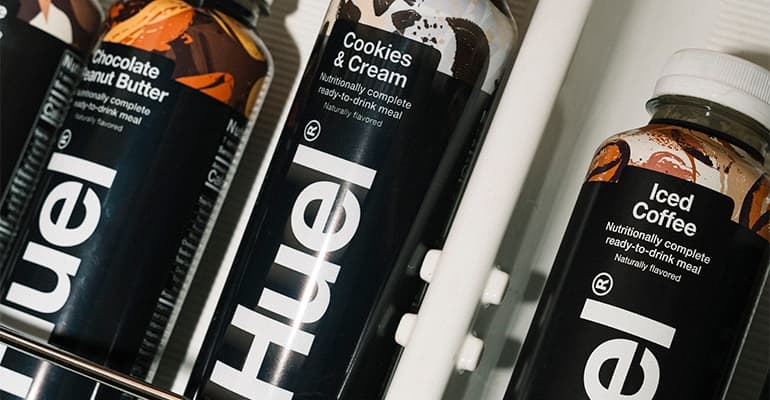
In March 2026, Danone announced an agreement to acquire Huel, the British complete-nutrition company known for powders, ready-to-drink products and a highly engaged online customer base. Danone described the deal as an expansion of its functional-nutrition portfolio and highlighted Huel’s direct-to-consumer model, international reach and strength in the UK, Europe and the United States.
Nestlé’s yfood transaction tells a similar story. After taking a 49% stake in the German smart-food company in 2023, Nestlé agreed to acquire the remaining 51% in 2026. Nestlé said yfood generated approximately €150 million in sales in 2025, was growing at a double-digit rate, and had reached 50,000 points of sale across 30 countries.
Lactalis completed its acquisition of Liverpool-based Protein Works in June 2026. Protein Works brings roughly €65 million in annual revenue, a strong digital model and a range spanning shakes, meal replacements, supplements and snacks. Meanwhile, Katjes International’s agreement to acquire Graze from Unilever shows that established better-for-you snack brands are also moving back into the hands of focused food operators that believe they can unlock another stage of growth.
Taken together, these are not isolated curiosities. They show European incumbents converging on the same assets: functional products, digital relationships, premium positioning and brands that consumers already associate with a healthier routine.
Why big food is buying instead of building
Large food groups can formulate products, fund advertising and win shelf space. What they often struggle to manufacture quickly is cultural permission. A start-up can spend years building a clear voice, testing products with a close customer community and becoming part of a daily routine. That relationship is difficult to reproduce through a corporate product launch.
An acquisition compresses time. It gives the buyer a working brand, an innovation pipeline, real purchase data and a community that has already decided the product is relevant. It may also bring capabilities the buyer lacks: subscriptions, creator-led marketing, rapid product testing, specialist nutrition knowledge or a direct-to-consumer operating system.
The arithmetic is attractive when both sides contribute something different. The smaller brand brings relevance and speed; the larger group brings procurement, food safety, R&D, manufacturing, retail relationships and international distribution. A strong deal does not merely put more capital behind the same business. It joins consumer trust to industrial scale.
- A trusted position in a fast-growing nutrition category.
- First-party customer data and direct purchasing relationships.
- A faster innovation cycle than a traditional corporate portfolio.
- Premium products with stronger pricing power than commodity food.
- An omnichannel model that can move between subscriptions, e-commerce, gyms, convenience and grocery.
- Founders and specialist teams who understand a new consumer language.
Protein has become a platform, not a niche
Protein used to belong mainly to bodybuilding tubs and sports-nutrition shops. It now stretches across breakfast, pasta, snacks, dairy, ready-to-drink beverages, complete meals and products for healthy ageing. That breadth gives strategic buyers many ways to participate without relying on a single format.
Ferrero’s acquisition history illustrates the expansion. The group acquired British cereal-bar maker Eat Natural, Irish vitamin-and-protein bar company FULFIL, and US protein-snack company Power Crunch. Barilla’s acquisition of GOODLES extends the same logic into an everyday comfort-food category: mac and cheese redesigned with more protein, fibre and vegetable-derived nutrients.
GOODLES is an American brand, but Barilla is a European buyer and the strategic lesson travels. Functional nutrition is moving into familiar foods rather than asking consumers to adopt only specialist products. That broadens the audience—and makes the category more relevant to global food groups.
The funding is building future acquisition targets
M&A is only the visible end of the cycle. Before a brand becomes an acquisition target, investors fund product development, manufacturing, retail expansion and customer acquisition. Medici Brands—the parent of David Protein, HallPass and Rowdy—raised a reported $250 million Series B in 2026. David was only two years old, but Fitt Insider reported that it had reached 35,000 retail locations and expected more than $300 million in annual revenue.
That is a US example, but it matters to Europe because it establishes the scale of capital available when investors believe a nutrition platform can build several brands around a common operating system. European activity is more varied. Funding is flowing not only to finished consumer brands but also to ingredients and manufacturing technologies. Dutch fermentation company The Protein Brewery, for example, announced an €18 million extension to its Series B in June 2026 to accelerate its Fermotein protein ingredient and commercial expansion.
Corporate venture capital is joining the search as well. Belgian drinks group Spadel invested in Pulse Protein, a Belgian start-up developing ready-to-eat nutrition for active consumers. These smaller bets help incumbents learn a category early and create a relationship that can later lead to distribution partnerships, larger investments or acquisitions.
This is a selective boom—not easy money for every wellness label
The headline deals can make the market look euphoric. The underlying picture is more disciplined. IMAP counted more than 2,000 European food-and-beverage transactions from 2023 through 2025, but its 2026 report describes a market led largely by strategic buyers and focused on resilient themes. It estimates the European functional-nutrition market at roughly $115 billion in 2025, with expected annual growth of about 7.9% through 2030.
Clearwater’s 2025 European market review reached a similar conclusion: health, functionality, convenience and provenance were shaping buyer agendas even while wider deal volumes were uneven. Buyers were also using earn-outs, deferred consideration and staged ownership structures to bridge valuation gaps. Nestlé’s step from a minority stake in yfood to full ownership is a clear example of how strategic buyers can reduce risk while learning the business.
So the opportunity is real, but the bar is higher than “better for you” packaging. Investors want repeat purchase, defendable gross margins, evidence that a brand travels across channels, reliable manufacturing and a credible route to international scale.
What buyers are really looking for
The strongest targets tend to combine a good product with a system that produces growth. A distinctive formulation may win the first purchase, but brand identity, availability and habit drive the second and tenth. Buyers therefore assess the entire engine around the product.
A business becomes more valuable when it owns a clear consumer occasion: breakfast on the commute, a complete lunch at work, protein after training, an afternoon snack or hydration during sport. It becomes more defensible when customers can explain the benefit in one sentence and when that benefit is supported by responsible formulation and claims.
- A precise category position rather than a vague promise of wellness.
- Strong repeat purchase and evidence of routine or subscription behaviour.
- Products that can extend into adjacent formats without confusing the brand.
- A balanced route to market across digital, retail and relevant physical communities.
- Manufacturing and ingredient supply that can scale without damaging quality or margin.
- Nutrition and health claims that can withstand European regulatory scrutiny.
- A leadership team able to operate inside a larger group without losing speed.
The hard part begins after the acquisition
Consumers often buy challenger brands partly because they do not feel like big food. An acquisition can therefore create an immediate trust problem. If the new owner changes the recipe, pushes the price too high, reduces transparency or flattens the brand’s voice, it can destroy the very advantage it bought.
There is also a necessary debate about the word “healthy.” High protein, low sugar or added fibre does not automatically make a product nutritionally strong, and many functional foods are highly processed. European rules restrict how nutrition and health claims can be used, but legal compliance is only the baseline. Enduring brands will need clear ingredients, credible evidence and honest communication about what a product can—and cannot—do.
The best integration model is often one of selective independence: preserve the brand, community and innovation rhythm while adding the parent company’s capabilities behind the scenes. Scale should improve safety, availability and product quality without making the customer relationship feel less human.
Where Europe’s next deals are likely to emerge
Complete nutrition and protein will remain active, but the opportunity is widening. Gut health and fermented products have strong consumer recognition. Hydration is moving beyond sports drinks into electrolytes and everyday function. Healthy ageing creates demand for products supporting protein intake, mobility and muscle maintenance. Women’s health is encouraging more precise products around life stage, energy and recovery.
We also expect more attention around clinically informed nutrition, active nutrition for ordinary consumers, convenient foods with better metabolic profiles, and technologies that improve protein production or ingredient functionality. Not every winner will be a household brand; some will be the suppliers, fermentation platforms and formulation businesses underneath the label.
Geographically, the UK, Germany, the Nordics, France, the Netherlands and Benelux remain especially interesting because they combine sophisticated retail, strong start-up ecosystems and consumers willing to experiment with premium health products. Cross-border buyers can then use those markets as proving grounds before wider European expansion.
Why the fitness and wellness industry should care
Nutrition brands increasingly reach customers through the same places where fitness habits are formed: gyms, studios, run clubs, recovery spaces, events and instructor communities. That creates more sampling partnerships, retail collaborations, ambassador work, educational events and new revenue opportunities for operators that choose partners carefully.
It also brings responsibility. Studios and instructors trade on trust, so a partnership should fit the community rather than simply carry the largest sponsorship fee. Clear disclosure, evidence-based claims and products that genuinely suit the setting matter. A protein snack after strength training makes intuitive sense; a loosely defined wellness product presented as a cure does not.
For Fitgig, the larger message is positive. Food, fitness and preventive health are becoming a more connected ecosystem. As capital moves into nutrition, the people who create credible real-world experiences—coaches, instructors, studios and wellness professionals—will become even more valuable as trusted bridges between brands and communities.
The takeaway
Europe’s health-food deal activity is not just a story about conglomerates buying fashionable start-ups. It reflects a structural change in consumer demand and in the capabilities large food companies need. People want convenient products that fit goals around strength, energy, gut health, healthy ageing and everyday performance. Challenger brands have learned how to make those benefits legible, desirable and habitual.
The winners will be the businesses that combine that relevance with sound nutrition, repeatable economics and responsible claims. For buyers, the challenge is to add scale without erasing trust. For founders, the opportunity is to build more than a product: a category position, a customer relationship and an operating system worth acquiring.
Sources and methodology
This analysis uses company announcements and regulatory material as primary sources for transaction facts, supported by European M&A reports from IMAP and Clearwater. Fitt Insider’s reporting provides the two US market signals requested for this article: Barilla–GOODLES and Medici Brands’ funding round. Deal values are described as undisclosed where the parties did not publish them, and announced acquisitions are distinguished from completed transactions.