Copenhagen Health Week 2026: Denmark's Fitness and Wellness Future Is Growing
Copenhagen Health Week returns from 28 September to 4 October 2026 with a larger city-wide programme connecting movement, science, prevention, recovery, and community.
Short answer
Copenhagen Health Week returns from 28 September to 4 October 2026 for its third edition. The week combines a city-wide community programme with a Corporate Health Event at EY, an Industry Day at Villa Copenhagen, and a two-day Main Summit and exhibition at Øksnehallen on 3–4 October.
The organisers expect more than 3,200 attendees, 80+ international speakers, 120+ partners and exhibitors, and 180+ talks, workshops, and experiences. For Denmark’s fitness and wellness community, those numbers point to something encouraging: preventive health is moving into everyday life, and Copenhagen is becoming a serious meeting place for the people building that future.
From a strong 2025 to a bigger 2026
The 2025 edition brought more than 2,600 people together around 80+ speakers, 80+ brands and partners, and over 100 workshops and activities. Across Øksnehallen and venues around Copenhagen, visitors explored longevity, metabolic health, sleep, recovery, women’s health, mental well-being, movement, breathwork, cold and heat, and new approaches to performance.
The planned 2026 scale is larger again: 3,200+ attendees, 120+ partners and exhibitors, and 180+ talks, workshops, and experiences. Growth at this pace is not only an event story. It is evidence of sustained curiosity, stronger professional participation, and a public that increasingly wants health knowledge it can understand and use.
The most positive signal is the breadth. Copenhagen Health Week is not trying to reduce health to one workout, product, or protocol. It creates space for evidence, experience, debate, and practical participation—exactly the mix a maturing health and fitness ecosystem needs.
Fitness is becoming part of a wider health culture
Denmark already has a strong culture of cycling, clubs, movement, and public participation. What is changing is the context around fitness. Exercise increasingly sits beside sleep, recovery, nutrition, mental health, women’s health, stress regulation, diagnostics, and longevity. People are not only asking how to train harder. They are asking how to feel better, stay capable, and build healthier lives over time.
That wider view is good for the fitness sector. It gives studios, instructors, coaches, physiotherapists, recovery specialists, and wellness practitioners more ways to contribute. A Pilates class can support strength and confidence. Mobility can help people stay active. Breathwork and recovery can complement training. Community events can make health feel social rather than clinical or intimidating.
Copenhagen Health Week makes that shift visible. By putting movement sessions, expert talks, brand experiences, clinical discussion, and community activities in the same week, it presents fitness as one essential part of a larger preventive-health ecosystem.
A whole city becomes the venue
The most distinctive part of Copenhagen Health Week is that it is not confined to a conference hall. From 28 September to 2 October, the community programme brings talks, classes, workshops, and experiences into studios and venues across Copenhagen. The Corporate Health Event on 30 September brings prevention into the workplace conversation, while Industry Day on 2 October creates a professional setting for clinical application and exchange.
The Main Summit at Øksnehallen on 3–4 October then brings the strands together. Researchers, clinicians, founders, brands, practitioners, and the public can meet in the same place and explore how ideas translate into real choices and experiences.
That city-wide structure matters. Healthy habits are built where people live and work—not only where experts present. When studios, workplaces, clinics, communities, and cultural venues all take part, health becomes easier to encounter and more natural to discuss.
Why this is encouraging for instructors and studios
A growing health week creates visibility for the professionals who turn knowledge into practice. Fitness instructors and studios are often where preventive health becomes real: a weekly class, a welcoming room, a coach who can adapt, or a community that helps someone return consistently.
The programme’s mix of mobility, somatics, outdoor movement, resilience practices, breathwork, recovery, strength, mindfulness, and immersive experiences also reflects how much the instructor landscape is expanding. The modern fitness professional may work across a studio timetable, events, corporate wellness, workshops, retreats, and specialist collaborations.
For studios, the opportunity is to build thoughtful events that introduce more people to movement and recovery. For instructors, it is a reason to describe specialist skills clearly, keep qualifications visible, and show how their teaching connects with the broader health goals members increasingly care about.
What visitors can expect
The official programme spans four broad perspectives—body, mind, soul, and society—while the media brief highlights sleep, longevity, women’s health and hormones, mental well-being, performance, nutrition, diagnostics, recovery, and biohacking.
Visitors can expect traditional talks and panels alongside movement, mindfulness, demonstrations, treatments, exhibitions, and community activations. That variety is one of the event’s strengths: people can listen, question, meet, try, and decide what is genuinely useful for their own lives.
- Community programme across Copenhagen: 28 September–2 October 2026.
- Corporate Health Event at EY: 30 September 2026.
- Industry Day at Villa Copenhagen: 2 October 2026.
- Main Summit and exhibition at Øksnehallen: 3–4 October 2026.
- Expected scale: 3,200+ attendees, 80+ international speakers, 120+ partners and exhibitors, and 180+ talks, workshops, and experiences.
The Fitgig perspective
Copenhagen Health Week is a hopeful marker for Danish fitness and wellness. It shows an industry becoming more connected, more multidisciplinary, and more confident about its role in preventive health. It also shows that people want experiences that combine credible knowledge with a sense of community and possibility.
As this ecosystem grows, the people delivering it need to be easier to discover. Studios need coaches, instructors, and facilitators with the right specialisms. Professionals need clear ways to show what they teach and where they can contribute. Better connections help strong ideas move from a summit stage into classes, workshops, workplaces, and weekly routines.
That is the future Fitgig wants to support: more opportunities for talented fitness professionals, stronger teams for studios, and more ways for people to find movement and health experiences that genuinely fit their lives.
Sources and image credit
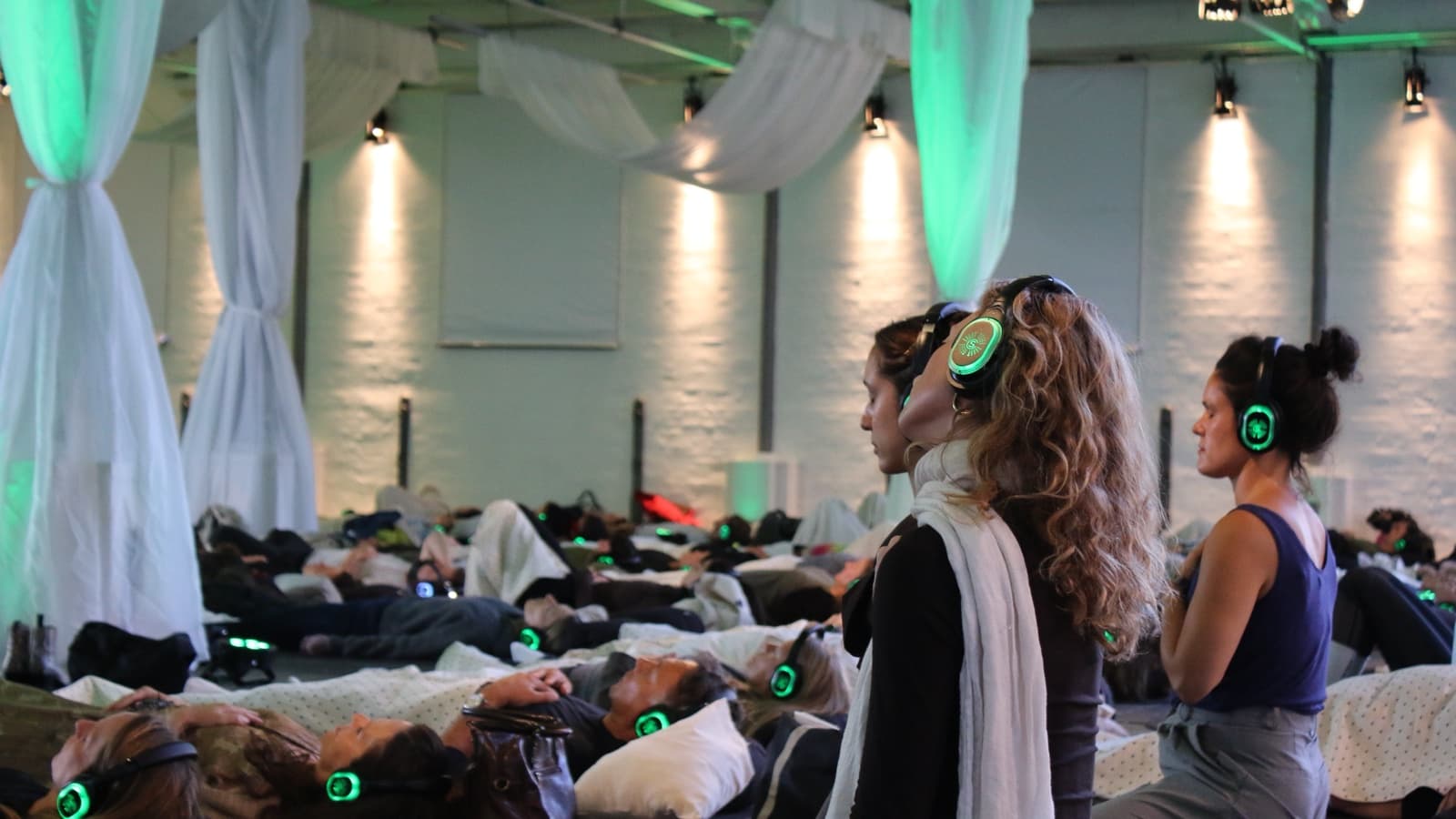
Event dates, programme details, attendance figures, and 2025–2026 scale figures come from Copenhagen Health Week’s official website, 2026 press release, and media brief. The hero photograph is an approved editorial image from the official Copenhagen Health Week press kit.