Fitness Trends 2026: What They Mean for Instructors and Studios
Fitness trends in 2026 point to more specialist coaching, smarter studio hiring, older adult fitness, mental health, strength, functional training, wearables, and hybrid roles. Here is what Fitgig thinks instructors and studios should do next.
Short answer
The fitness trends shaping 2026 point in one clear direction: studios need more specialist instructors, and instructors need clearer profiles. Wearables, mobile apps, older adult fitness, mental health, strength, functional training, hybrid classes, Pilates, recovery, and sport-club formats all make the hiring market more specific.
For Fitgig, that is exactly the opportunity. A studio does not just need "an instructor" anymore. It may need a reformer Pilates teacher for mornings, a HYROX-style coach for evening small groups, a sauna gus master for recovery sessions, a strength coach who understands older adults, or a yoga teacher who can create a calm room for stressed members.
The big shift: studios need specialists
A recent Lifemaxx trend article highlights themes such as wearable technology, mobile exercise apps, fitness for older adults, mental health, traditional strength training, data-driven training, sports clubs, and functional fitness. The useful Fitgig reading is not "buy new equipment." It is that the people running classes need to become more specific too.
A boutique studio can no longer rely only on generic class coverage. Members are walking in with clearer goals: train for a race, stay strong after 55, manage stress, improve mobility, build muscle, recover better, lose weight safely, track progress, or prepare for a specific sport. Hiring has to match that reality.
1. Wearables make coaching more measurable
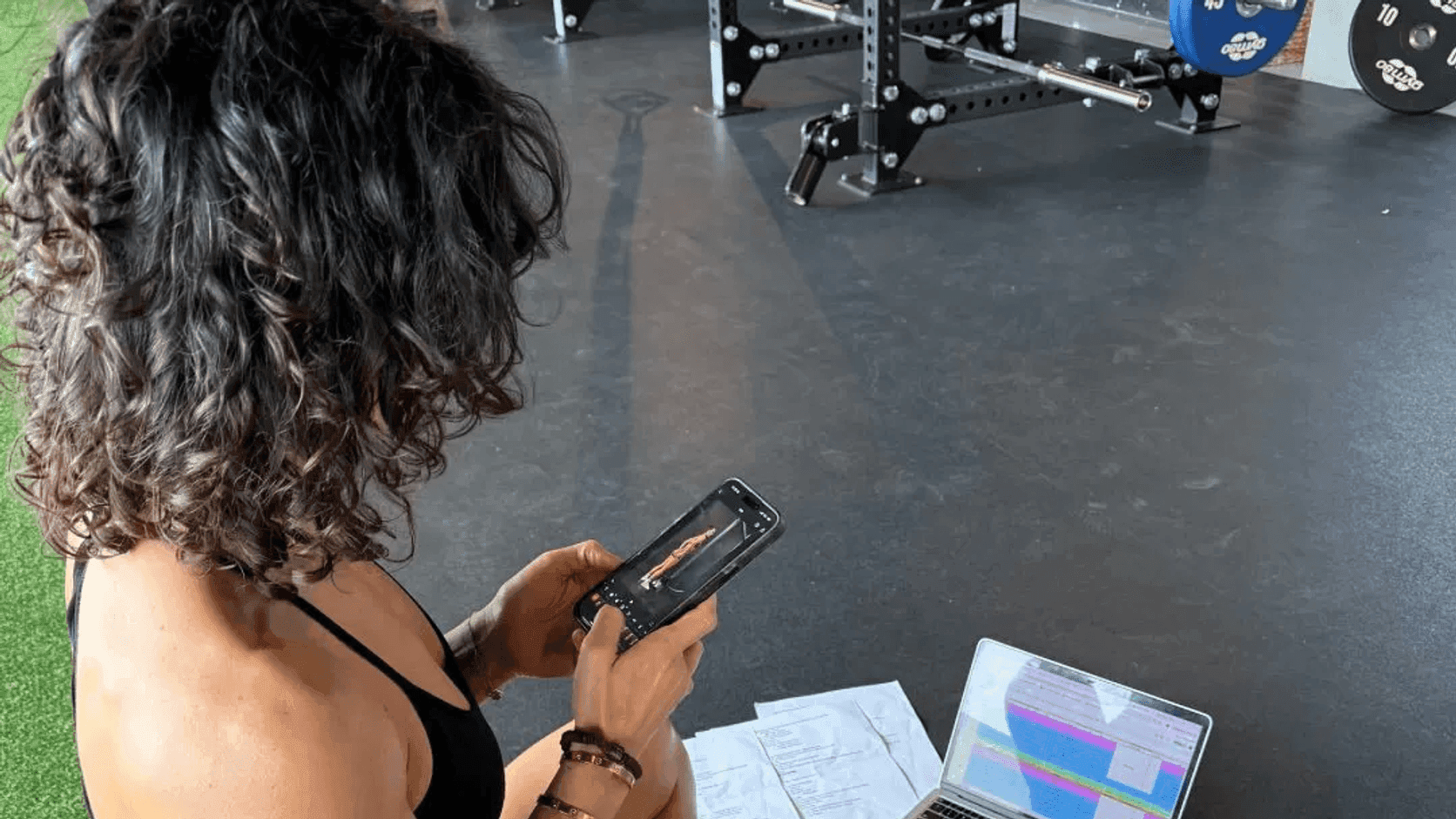
Wearables are now part of normal fitness life. Members track heart rate, recovery, sleep, steps, strain, calories, pace, and training load before they ever speak to a coach. That does not make instructors less important. It raises the bar for what good coaching feels like.
The best instructors in 2026 will be able to speak comfortably about effort, zones, progress, recovery, and consistency without drowning members in data. A spin instructor who understands heart-rate pacing, a strength coach who can explain load progression, or a HIIT coach who knows when to pull intensity back becomes more valuable to a studio.
On Fitgig, instructors should make these skills visible. If you can coach with data, run performance tests, use wearables in class, or help members interpret effort in a healthy way, say it directly in your profile.
2. Older adult fitness becomes a serious hiring category
Fitness for older adults is not a side note. It is one of the most important growth areas for studios and gyms because people want to stay strong, mobile, confident, and socially connected for longer.
That creates demand for instructors who can coach strength, balance, mobility, core stability, functional movement, safe progressions, and confidence. The best roles here are not about making classes easy. They are about making training intelligent, respectful, and useful for real life.
Studios should write job posts that are clear about the audience. Instructors should show experience with older adults, beginners, injury-aware coaching, mobility, strength basics, fall prevention, or longevity-focused programming.
3. Weight-loss coaching is moving toward support, not punishment
Exercise for weight loss remains a major reason people join gyms and studios, but the tone is changing. The strongest instructors are not the ones who shame people into harder sessions. They are the ones who help members build consistency, strength, confidence, and realistic habits.
For instructors, that means communication matters. Can you coach intensity without making the room feel hostile? Can you support beginners without treating them like a problem to fix? Can you build programmes that combine strength, conditioning, movement quality, and recovery?
For studios, this is a hiring signal. A good coach can create progress without burning members out. That is better for retention, trust, and community.
4. Apps will not replace instructors
Mobile exercise apps will keep growing because they are convenient. They are useful for tracking, reminders, workouts, programmes, and accountability between studio visits. But apps cannot read the room, adjust a cue in real time, spot someone losing confidence, or create the energy that makes people come back.
The winning studios will treat apps and instructors as partners. The app can support structure. The instructor creates belonging, safety, adaptation, and momentum. That is where boutique fitness still has an advantage over generic content libraries.
Fitgig helps here because studios can look for people who fit a real class experience: calm, technical, high-energy, athletic, restorative, precise, playful, or community-led.
5. Flow, Pilates, core and mobility keep gaining value
Flow training, Pilates, core work, mobility, yoga, barre, and low-impact formats are becoming more important because they serve multiple goals at once: strength, control, body awareness, posture, nervous-system regulation, and long-term movement quality.
For Pilates instructors, this is good news. Reformer, mat Pilates, hot Pilates, megaformer, Lagree-style classes, and mobility-led formats all sit in the same broader market shift: members want training that feels precise, sustainable, and useful outside the studio.
Studios should avoid vague job posts. If the role is reformer, say reformer. If it is mat Pilates, say mat. If it needs prenatal experience, rehab-adjacent confidence, athletic reformer, beginner groups, or private sessions, say that too.
6. Mental health changes what good coaching means
Exercise for mental health is no longer a soft benefit. Many members come to class because they want structure, community, stress relief, confidence, energy, and a better relationship with their body.
That does not mean instructors should act like therapists. It means good coaching needs emotional intelligence. The instructor who creates psychological safety, gives clear options, avoids humiliation, respects boundaries, and notices when the room needs calm can become extremely valuable.
Studios should look for this in interviews and trial classes. Instructors should make it visible through their teaching style, class descriptions, and profile language.
7. Strength, functional fitness and hybrid training stay hot
Traditional strength training, functional fitness, sports-club training, and hybrid race formats are all growing because members want to feel capable. They want to lift, carry, run, push, pull, jump, recover, and see measurable progress.
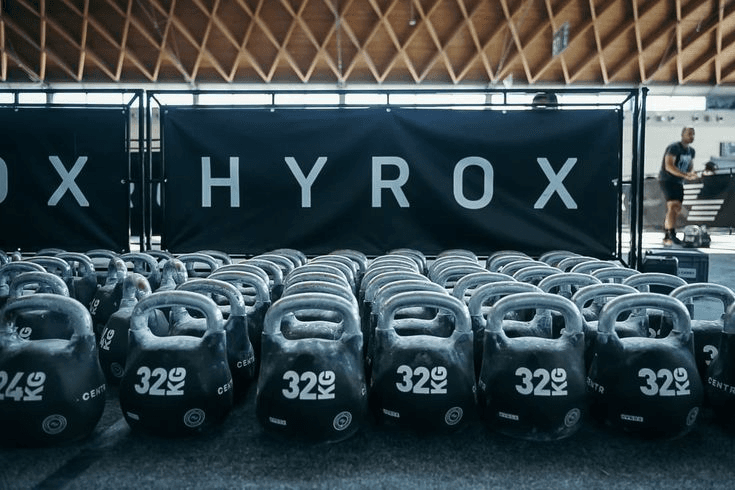
That creates roles for strength coaches, personal trainers, functional fitness instructors, HYROX-style coaches, running-club coaches, padel conditioning coaches, tennis coaches, and small-group training leads. The skill is not just knowing exercises. It is creating structure, progressions, standards, and motivation across mixed-level groups.
This is why Fitgig has to think wider than classic gym jobs. The fitness hiring market is becoming a network of specialist instructors who can plug into studios, clubs, hotels, wellness spaces, retreats, and pop-up events.
What instructors should do now
The simplest move is to stop describing yourself too generally. "Fitness instructor" is a starting point, not the whole profile. If you teach spin, reformer Pilates, yoga, strength, HYROX, saunagus, mobility, boxing, dance, older adult strength, recovery, or hybrid training, make that visible.
Your Fitgig profile should answer three questions quickly: what do you teach, where can you teach, and why should a studio trust you? Add disciplines, experience, certifications, availability, languages, cities, profile images, social links, and the type of roles you want.
- Name your strongest disciplines clearly.
- Add cities where you can teach, cover, or take guest gigs.
- Show evidence: certifications, years taught, studio experience, member feedback, race or event experience.
- Mention whether you want regular classes, cover shifts, guest roles, workshops, private sessions, or seasonal work.
- Update your profile as new trends become real skills in your teaching practice.
What studios should do now
Studios should treat hiring as a year-round talent pipeline, not an emergency task that starts when a teacher quits. The 2026 trend mix makes this even more important because specialist roles can take longer to fill.
Post jobs by outcome and format. Instead of "instructor needed," write "reformer Pilates teacher for beginner evening classes," "HYROX-style strength and conditioning coach," "sauna gus master for Friday recovery sessions," or "older adult strength coach for small groups." That gives the right instructors a reason to apply.
Fitgig also works well for general applications. Studios can keep their profile open so instructors can register interest before a role is urgent. That builds a bench of possible hires, cover teachers, guest instructors, and workshop leads.
Fitgig takeaway
The 2026 fitness trends are not only trends for equipment suppliers or gym operators. They are signals about what kind of talent the industry will need next.
The studios that win will be clearer about the coaches they need. The instructors who win will be easier to discover for the specific skills they bring. Fitgig sits between those two realities: a place where fitness instructors, wellness professionals, gyms, studios, and clubs can find each other as the industry becomes more specialised.