How to Find and Hire a Spin Instructor for Your Studio
A practical studio guide to hiring an indoor cycling instructor: define your ride format, find candidates, check training and run a useful paid audition.
Start with the ride you need someone to teach
To hire a spin instructor, define your class format and timetable, search through instructor profiles and relevant training networks, verify the candidate’s training, then assess a short teaching sample. The most useful shortlist contains people who can teach your actual room, at your actual times, for the pay you offer.
“Spin instructor” and “indoor cycling instructor” are useful search terms, but they can describe different work. A music-led boutique ride, a power-focused training session and an introductory class may need different strengths. Write down what members should experience before deciding which candidate feels right.
- Name the format, class length, typical group size and teaching language.
- Describe your bikes, consoles, pedals, sound system and any instructor training you provide.
- State whether the role covers a regular timetable, occasional cover or a short programme.
- Separate essential skills from things someone can learn during induction.
Where to find indoor cycling instructors
Begin with a local search on Fitgig and a clear job listing. Look beyond a discipline label: a profile should help you explore the candidate’s teaching experience, languages and location. Ask directly about availability. Living nearby or appearing in a directory does not establish that someone can take your Tuesday morning class.
Broaden the search through cycling education providers, professional networks and referrals from instructors you trust. A training provider may be able to share your vacancy with its community; that is different from endorsing every candidate. Make the same brief available through each channel so applicants receive consistent information.
Experienced regular riders can also become future instructors through an appropriate training route. Keep that development opportunity separate from a vacancy requiring someone to lead classes independently next week.
Check training against the role
Ask for the qualification name, awarding organisation, completion date and any renewal information. Check the scope and verify the credential with its issuer where possible. Establish which qualifications, insurance and first-aid arrangements your venue and local requirements call for.
For example, Spinning’s own instructor training covers bike fit, riding technique, coaching cues, intensity measures and class planning. That is a useful illustration of relevant learning, not a rule that every indoor cycling studio must choose that provider. Its certification guidance also tells instructors to check additional local requirements when moving country.
Discuss the equipment the candidate has actually taught on. Familiarity with one console or pedal system should lead to a practical induction on yours. A certificate is one part of the decision; observing how someone explains a setup problem provides different evidence.
Use the first conversation to remove practical mismatches
Send the timetable, location and proposed pay before arranging an audition. Use the conversation to learn how the candidate makes decisions, with examples from classes they have taught.
- “How would you welcome a rider who has never used these bikes?”
- “Tell us about a time you changed your plan after noticing the group struggling.”
- “How do you use music or performance information to support our type of ride?”
- “Which teaching slots can you reliably commit to, including preparation and travel?”
- “What would you need from us before your first independent class?”
Run a short, paid teaching audition
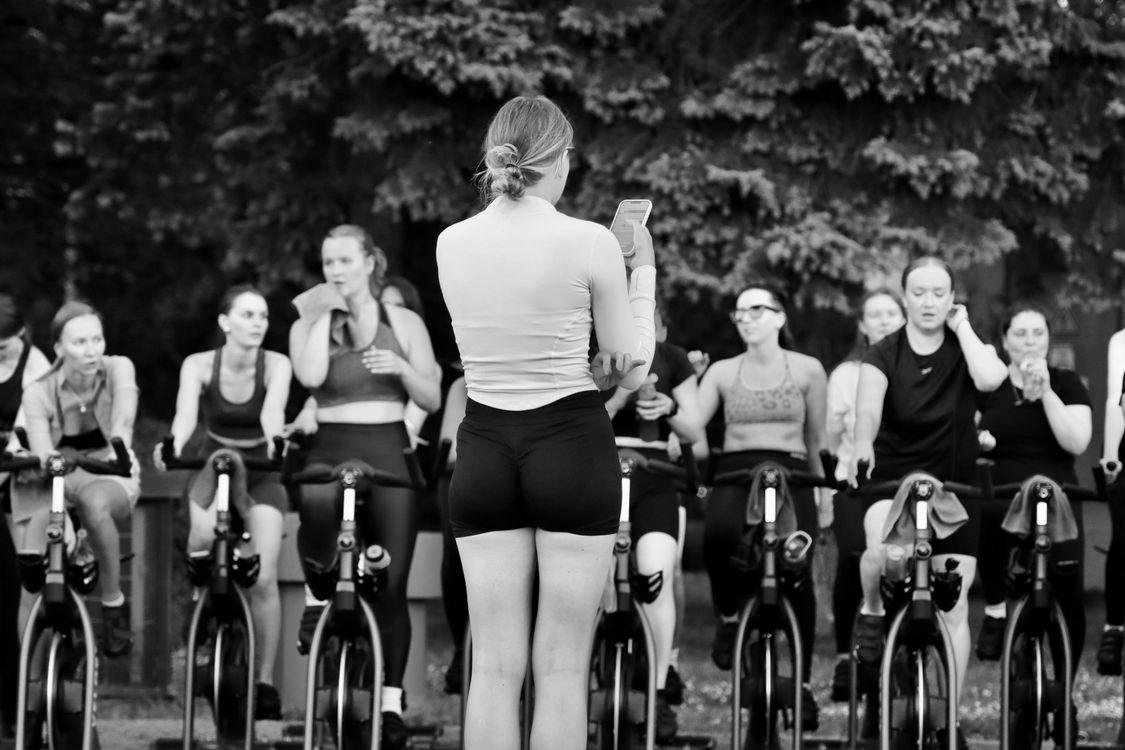
Our recommendation is a paid, proportionate audition with the task, fee and assessment criteria agreed in advance. For example, ask for a short introduction and setup explanation followed by a teaching segment that includes a change of effort and an alternative for a less experienced rider. Give candidates time to become familiar with the room.
Use staff or a clearly briefed assessment group, with appropriate supervision. Assessors should pay attention to riders as well as the instructor. An energetic performance can hide a missed question or an unclear instruction.
Score each area from 1 to 5, where 1 means substantial support is needed and 5 means the skill is demonstrated confidently. Record a specific observation beside each score. Treat a serious safety concern as something to resolve before independent teaching, rather than allowing a high performance score to cancel it out.
- Setup and equipment: explains adjustments and identifies when help is needed.
- Coaching: gives timely, understandable instructions and a clear purpose for the segment.
- Observation: notices the group and offers useful options without singling people out.
- Format: uses music, timing or metrics in a way that fits the agreed brief.
- Professional judgement: responds to feedback and explains what they would change.
Make the pay and workload understandable
State the currency, amount and whether you pay per class, per hour or through a salary. Explain what preparation, check-in, equipment reset, meetings and induction are included. Two offers with the same class fee may involve very different amounts of work.
Agree cancellation arrangements, payment timing and how cover is organised. Assess the appropriate working arrangement for your country and the reality of the role. There is no useful single European rate to insert into every advert.
A job brief you can adapt
Replace the brackets before publishing. If a detail is genuinely undecided, say so and explain when you expect to confirm it.
- Role: Indoor cycling instructor for [studio], [city, country].
- Classes: [format], [duration], [group size], taught in [language] on [equipment].
- Schedule and start: [days/times], [regular role or cover], from [date or agreed start].
- We need: [relevant training], [teaching experience] and confidence with [specific essential skill]. We provide [induction/support].
- Pay and arrangement: [amount, currency and pay period], [included duties], [proposed working arrangement].
- Apply with: a short introduction, relevant training, teaching experience and availability. Shortlisted candidates complete a paid [duration] audition at [fee].
Common questions from studio owners
Can a personal trainer teach cycling? Check their relevant cycling training and group teaching skills; a personal-training qualification alone does not demonstrate every requirement of your ride format.
Should we hire for a social following? Consider it only if promotion is an explicit part of the role. Evaluate teaching and reliability directly, and agree any promotional work and compensation separately.
Can Hiring Assist help? Submit the actual role and location for a feasibility review. Fitgig agrees the search scope before payment; instructor availability and a successful hire are not guaranteed.
Sources and editorial notes
Reviewed on 25 November 2026. The brief, interview prompts and audition scorecard are Fitgig’s suggested hiring tools. Provider materials explain their own programmes; confirm the requirements that apply to your venue.